The Tasmanian wind sector
Tasmania pairs an exceptional wind resource with some of the toughest operating conditions in Australia, and the pipeline is set to grow.
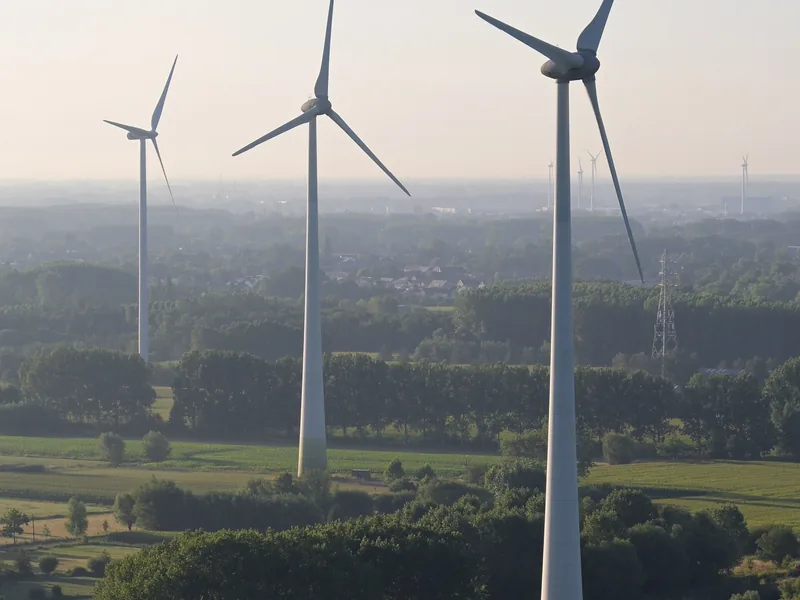
The operating fleet spans Woolnorth in the far north-west, with its Bluff Point and Studland Bay sites, Musselroe in the north-east, Cattle Hill in the central highlands near Lake Echo, and Granville Harbour on the west coast. Several large projects are proposed on top of that base, and the state's "Battery of the Nation" program and the Marinus Link interconnector to the mainland are expected to underwrite a further wave of development. That mix drives steady demand for scheduled maintenance, out-of-warranty repair, blade repair and end-of-warranty inspection.
Turbine platforms and conditions
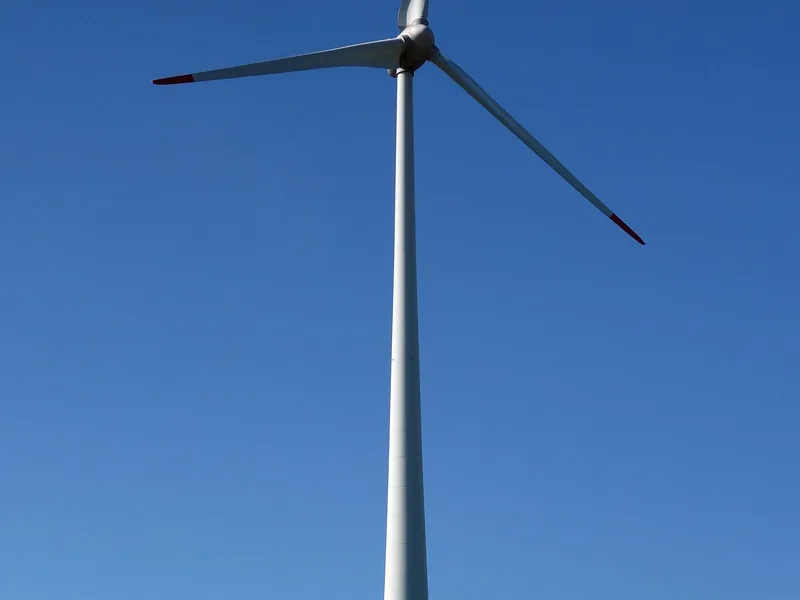
Platforms differ by site. Woolnorth and Musselroe run Vestas machines, Cattle Hill is a Goldwind fleet, and Granville Harbour uses GE turbines. Because the island sits in the Roaring Forties, blades and towers take a constant beating from wet, salt-laden, high-wind weather. Leading-edge erosion and corrosion progress faster here than on many mainland sites, which puts a premium on leading-edge protection and on structural upkeep of the tower, foundation and nacelle. Catching surface damage early keeps minor repairs from becoming major component work.
Service hubs and logistics
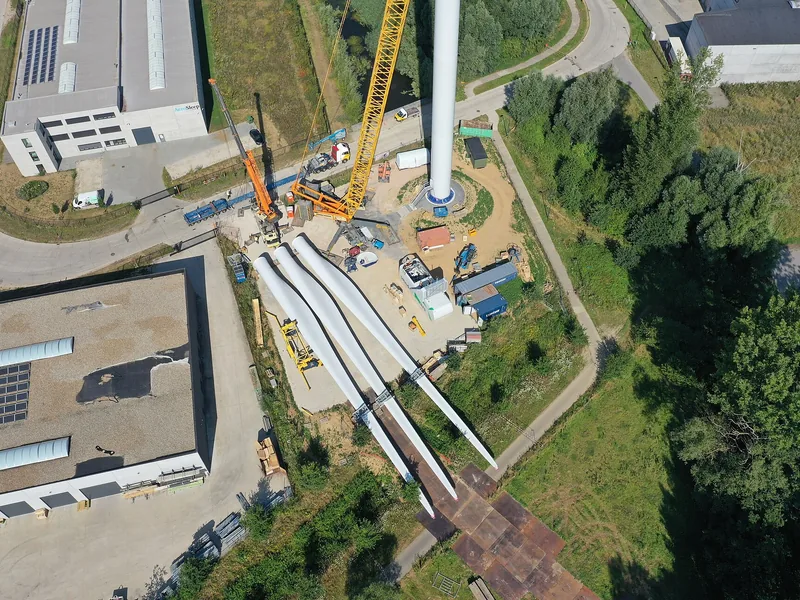
Crews commonly mobilise from Hobart, Launceston, Burnie and Smithton. Access is a real planning factor: the remote west coast and the central highlands sit well away from the main population centres, so travel, weather windows and staging all stretch out. Providers often position crane and heavy-lift resources on or near site for the length of a campaign rather than demobilising between tasks. Blade transport and heavy haul move on regional and highland roads under Tasmanian permits with pilot vehicles.
Licensing and compliance
Work-health-and-safety obligations sit under WorkSafe Tasmania and the WHS Act. Electrical licensing is administered by Consumer, Building and Occupational Services (CBOS), and high-voltage switching and access are governed by the relevant authorisations and network operator rules. Height safety and lifting equipment carry their own duties. Every provider we match holds the Tasmanian tickets their scope requires.
Wind Turbine Services is a sourcing and comparison service and does not perform work itself. Enquiries are passed to independent service partners who contact you directly. There is no cost or obligation to owners and asset managers. Wind farm details are indicative and based on public information.
Frequently asked questions
Which wind turbine services do you cover in Tasmania?
Which wind farms operate in Tasmania?
Tasmania's operating fleet includes Woolnorth (the Bluff Point and Studland Bay sites in the far north-west), Musselroe in the north-east, Cattle Hill in the central highlands near Lake Echo, and Granville Harbour on the west coast. Several large projects are proposed, and the state's 'Battery of the Nation' and Marinus Link plans are expected to drive a further wave of development.
What turbine models are common in Tasmania?
Platforms vary by site. Woolnorth and Musselroe run Vestas machines, Cattle Hill uses Goldwind turbines, and Granville Harbour is a GE fleet. We match providers with hands-on experience on the specific platform at your site.
Where are the nearest service hubs?
Crews typically mobilise from Hobart, Launceston, Burnie and Smithton. West-coast and highland sites add travel and staging time, so blade, rope-access and crane resources are often positioned locally for the duration of a campaign.
What licensing applies to wind work in Tasmania?
Work-health-and-safety obligations sit under WorkSafe Tasmania. Electrical licensing is administered by Consumer, Building and Occupational Services (CBOS), and high-voltage switching requires the right authorisations. Providers in our network hold the relevant Tasmanian tickets.
Is sourcing providers in Tasmania free for owners?
Yes. Submitting an enquiry is free with no obligation. Matched independent providers contact you directly; service partners pay to receive leads, owners never do.