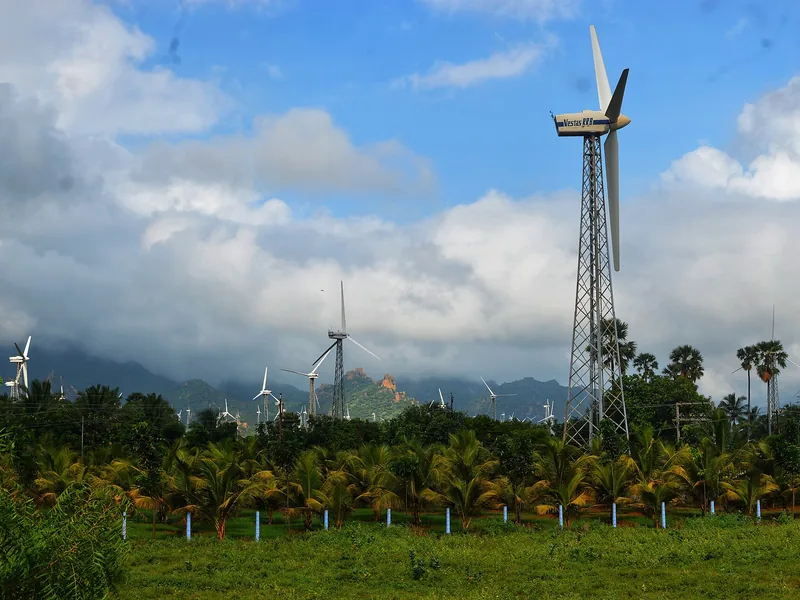
End-of-life services for the ageing Australian wind fleet
The first generation of Australian wind farms is running out of design life, and the decisions owners make now set the economics and the environmental footprint for the next twenty years.
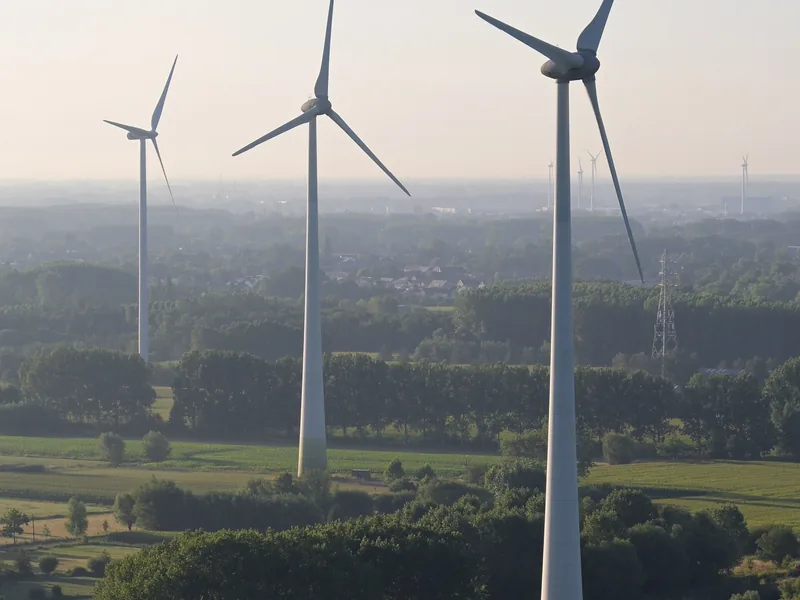
Australia's earliest commercial wind farms, including sites such as Codrington and Toora in Victoria and the Starfish Hill and Cathedral Rocks projects in South Australia, were commissioned around the turn of the century. Most modern turbines are built to a twenty-year design life, which means a growing share of the national fleet is now at or past the point where owners must choose: extend, repower, or decommission. Each option is a different engineering, commercial and planning exercise, and we match you to providers who have delivered that scope before.
Decommissioning
Full decommissioning is the structured removal of a wind farm and the return of the land to an agreed condition. It is usually governed by the original planning approval and a decommissioning bond or management plan, so the works have to be documented against those obligations.
Dismantling and make-safe
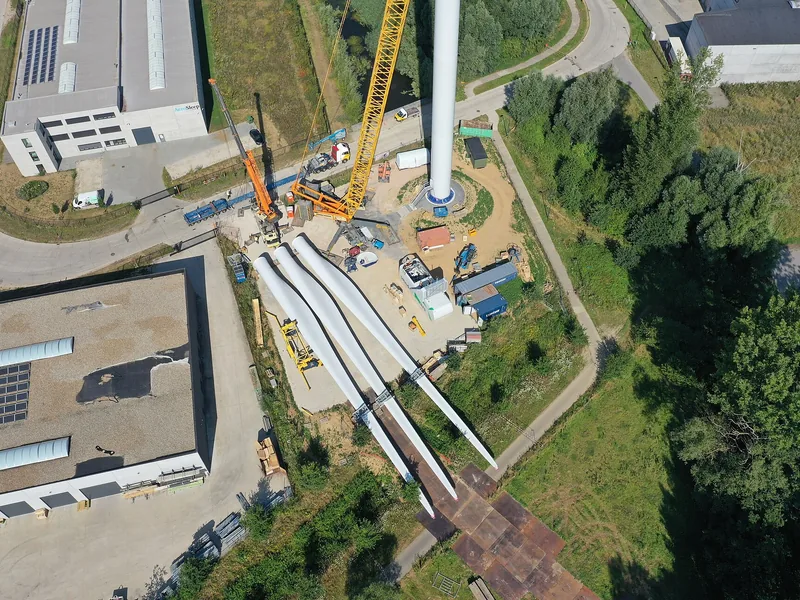
Before anything comes down, the turbines are isolated electrically, the grid connection is made safe and the collector network is de-energised. Dismantling then reverses the original erection sequence: blades are removed individually or as a rotor star, the nacelle and drivetrain are lifted off, and the tower is taken down section by section. This is heavy-lift work, so decommissioning crews draw on the same equipment as our crane hire and main component exchange providers, and the make-safe scope overlaps with the electrical competencies used across wind turbine maintenance.
Site reinstatement
Once the turbines are gone, reinstatement covers foundation removal or capping, cable recovery, removal of hardstands and surplus access tracks, and rehabilitation of the ground to the condition set in the approval. On agricultural sites this often means returning land to pasture or cropping, which matters to the host landholders whose agreements underpin the project.
Wind turbine blade recycling
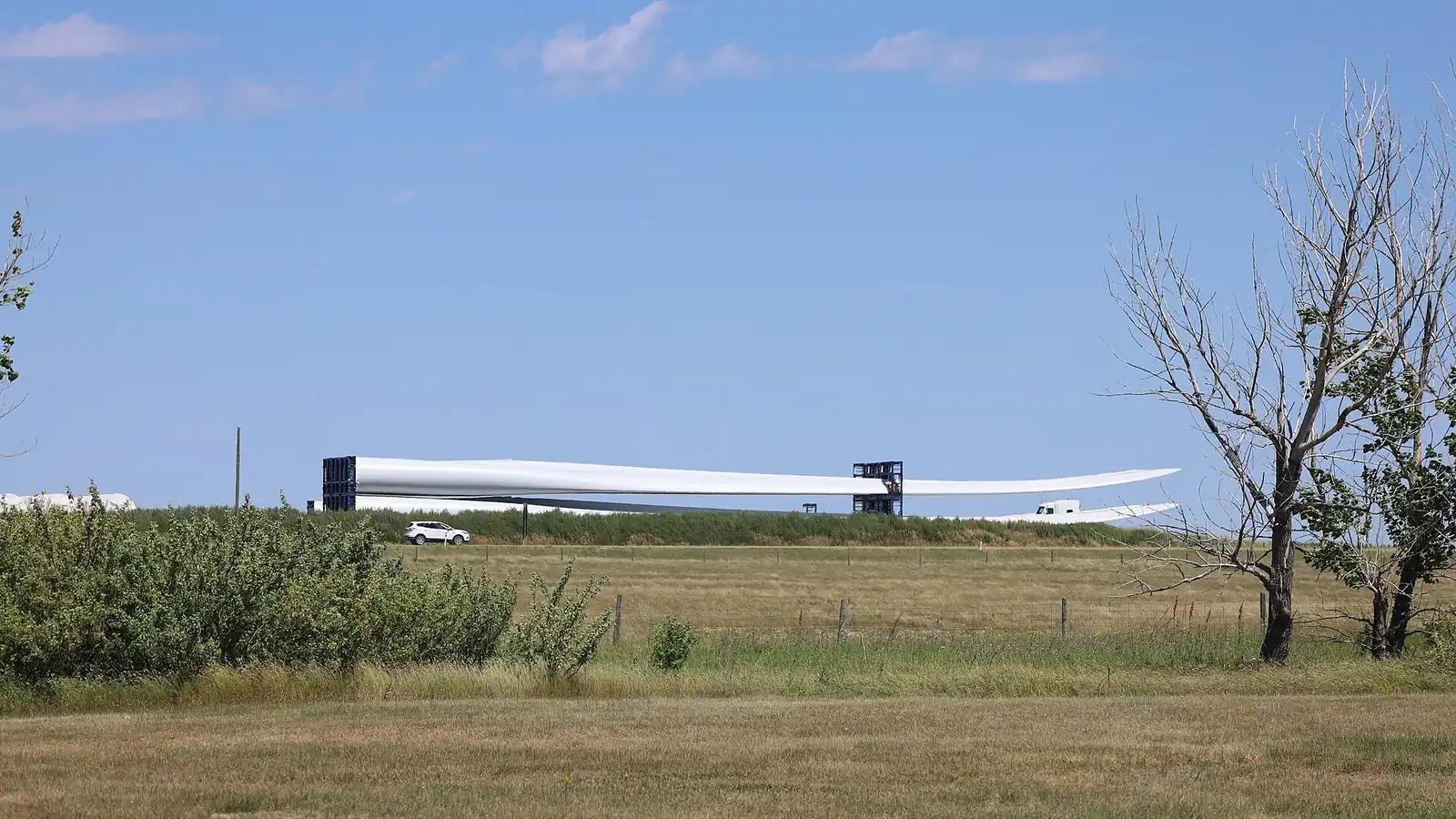
Most of a decommissioned turbine is straightforward to recycle. Steel towers, cast-iron hubs, copper cabling and the aluminium and electronics in the nacelle all have established scrap markets. The difficult component is the blade, which is built from glass-fibre or carbon-fibre composite bonded with thermoset resin and is deliberately engineered not to break down. Wind turbine blade recycling in Australia is therefore the defining end-of-life challenge, and it is the part owners are asked about most.
Cement co-processing and cutting
The main scalable route is cement co-processing, where blades are cut into transportable sections, shredded, and fed into cement kilns so the glass fibre substitutes for raw material and the resin substitutes for fuel. On-site blade cutting reduces the number of oversize transport movements, which is a large cost on remote sites. Other emerging options include mechanical grinding into filler, pyrolysis to recover fibre, and reuse of whole blade sections in civil structures, though none yet operates at national scale.
Australian landfill context
Landfill remains the default in parts of Australia, but it is being squeezed by rising gate fees, state waste-levy settings and public expectation that a clean-energy asset should not end in a tip. Wind turbine blade recycling in Australia is moving from a nice-to-have to a procurement requirement, and providers that can evidence a genuine landfill alternative are increasingly favoured. Our wind turbine blades guide and blade repair providers set the wider context for how blades are built, maintained and finally retired.
Repowering
Repowering reuses what is most valuable about an old site: its grid connection, its wind resource and, often, a planning approval that would be very hard to win again today. Because turbine technology has moved on so far, a repowered site can lift output well above its original rating.
Full repowering
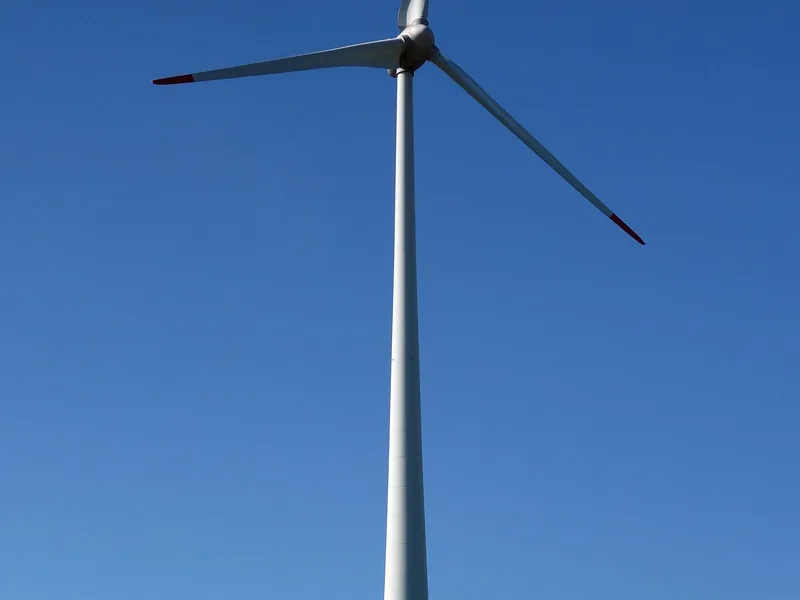
Full repowering removes the original turbines entirely and installs a smaller number of modern machines, typically far larger in rotor diameter and rating. A site that once carried thirty sub-megawatt turbines might be repowered with a handful of multi-megawatt machines at similar or higher total capacity, with far better availability and lower operating cost. The decommissioning and recycling scope above runs first, then new civil, electrical and erection works follow.
Partial repowering
Partial repowering keeps the towers and foundations but replaces major components, such as rotors, blades, gearboxes, generators or power-electronic converters, to recover performance and extend life without a full teardown. It is less disruptive and cheaper than full repowering, and it leans heavily on component-level work from our parts and spares and main component exchange providers.
Life extension and retrofits
Not every ageing site needs new turbines. A life-extension assessment uses load calculations, inspection data and remaining-fatigue-life modelling to certify that the existing machines can run safely past their original design life, often for another five to ten years. Where specific subsystems are the limiting factor, targeted transformer and converter retrofits, control-system upgrades and structural reinforcement can buy that time at a fraction of repowering cost. The assessment work sits alongside the end-of-warranty and inspection scope owners already run through their maintenance providers.
Component resale, refurbishment and asset strategy
Decommissioned turbines are a source of serviceable parts. Gearboxes, generators, main bearings, pitch systems, transformers and converters can be tested, refurbished and resold into the global secondary market, which both recovers value and keeps older platforms such as Vestas, Senvion and Suzlon running elsewhere. A sound end-of-life asset strategy weighs that salvage value, the recycling and reinstatement cost, the repowering upside and the planning risk into a single decision. Providers in our network cover the states where the oldest fleets sit, including South Australia, Western Australia and Victoria.
Wind Turbine Services is a sourcing and comparison service and does not perform decommissioning, recycling or repowering itself. Enquiries are passed to independent service partners who contact you directly. There is no cost or obligation to owners and asset managers.
Frequently asked questions
What does decommissioning and repowering cover in Australia?
It spans full and partial dismantling, make-safe and isolation, crane-assisted teardown, site reinstatement, blade recycling and landfill alternatives, repowering with new turbines, partial repowering of major components, life-extension assessments, transformer and converter retrofits, component resale and refurbishment, and the environmental and planning compliance that goes with each path.
Why is this becoming relevant now?
Australia's first commercial wind farms, built in the late 1990s and early 2000s, are now approaching or past their twenty-year design life. Owners of these early sites face a decision between life extension, repowering and full decommissioning, and the choice drives very different cost, generation and recycling outcomes.
Can wind turbine blades be recycled in Australia?
Partly. Steel towers, copper, aluminium and most nacelle components are readily recycled. Blades are the hard part because they are made from glass or carbon fibre composite. Cement co-processing, where cut blade material is used as a fuel and raw-material substitute in cement kilns, is the main scalable route, and blade cutting on site reduces transport cost. Landfill is still common but is increasingly restricted.
Is repowering better than decommissioning?
It depends on the grid connection, the planning approval and the wind resource. Repowering reuses an existing connection point and often an approved site, so fewer larger modern turbines can lift output well above the original rating. Where the connection or approval cannot be retained, full decommissioning and site reinstatement may be the only path. Matched providers model both against your asset.
Do you perform the works yourselves?
No. Wind Turbine Services is a sourcing and comparison service. We route your enquiry to vetted providers who deliver decommissioning, blade recycling, repowering and life-extension work, and they contact you directly. There is no cost or obligation to owners and asset managers.