Why leading edge protection matters
Leading edge erosion rarely stops a turbine outright, which is exactly why it is so easy to ignore until it has already cost you generation for years.
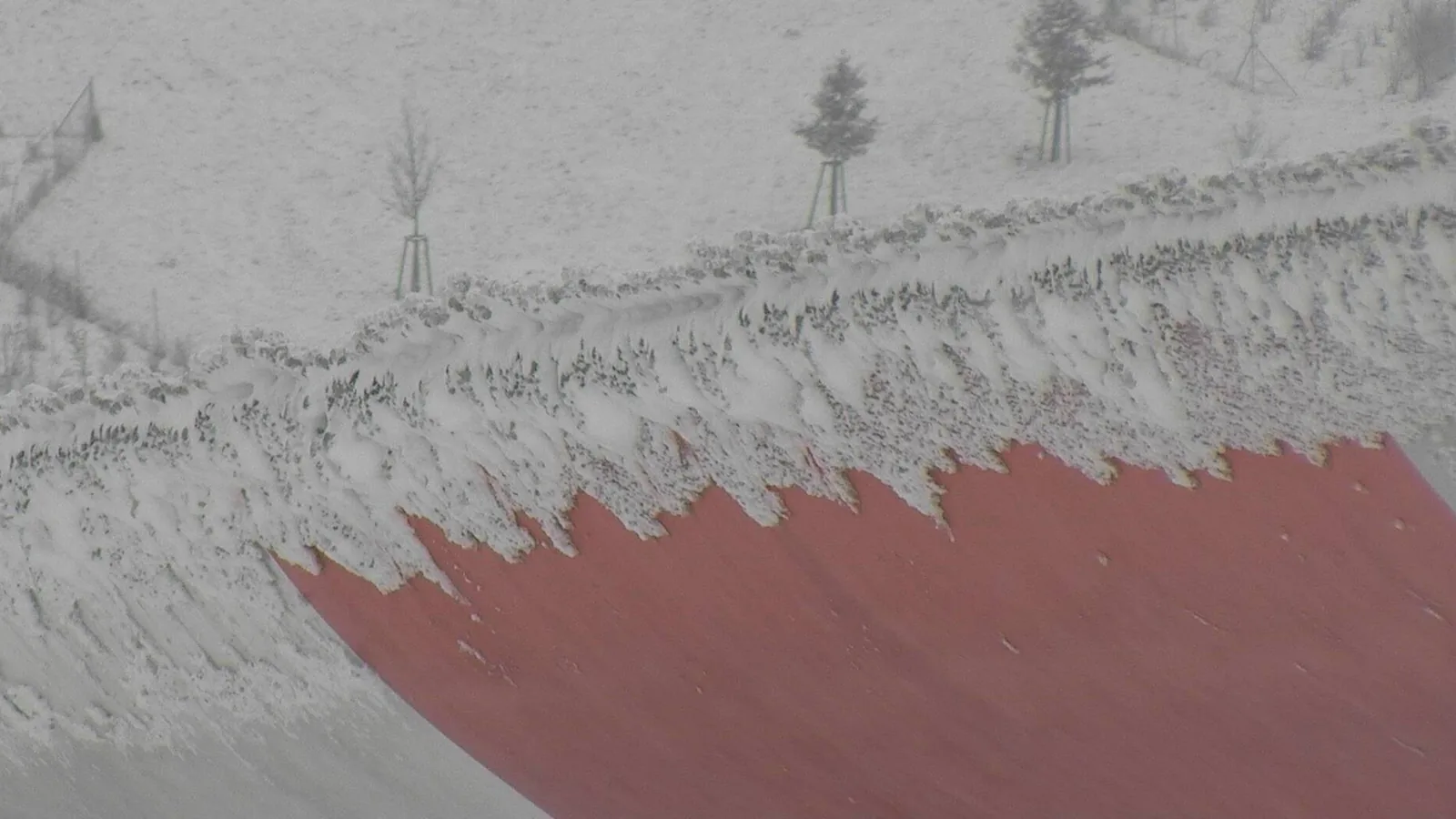
Every blade tip in Australia travels at well over 250 kilometres an hour, and at that speed a raindrop hits like grit. Over seasons, rain, dust, hail and insect strikes abrade the gelcoat on the leading edge, then the laminate beneath it. The surface roughens, the aerofoil loses its clean shape, and the blade no longer converts wind to torque as efficiently as it did. On a badly eroded set of blades, the cumulative loss in annual energy production (AEP) can run to several per cent, which across a fleet is a meaningful revenue leak.
Repair the erosion before you protect it
Protection only works on a sound surface. The independent specialists we match begin with a close assessment, usually drawn from a blade inspection, to map the erosion class and depth. Shallow wear may need only gelcoat restoration, while deeper damage calls for filler, fairing and laminate repair to rebuild the lost profile. Only once the leading edge is smooth and structurally sound does protection go on, so the fix is permanent rather than a cover-up over a problem that keeps growing underneath.
LEP shells, tapes and coatings
There is no single right answer for leading edge protection, and good providers match the system to the site. Bonded LEP shells are pre-formed, hard-wearing and easy to inspect. Leading edge protection tape is fast to apply and well suited to planned campaigns across many blades. Liquid and polyurethane coatings are brushed or sprayed on and follow the aerofoil closely for a smooth, low-drag finish. For cold or icing-prone sites, ice-phobic coatings shed ice build-up and reduce both load and downtime. Many owners combine approaches across a fleet depending on blade age and exposure.
Rope access or platform application
How the work is applied matters as much as what is applied. Rope access crews reach the leading edge quickly and economically for coating and tape work, with no crane and minimal downtime, which suits most protection campaigns. Suspended platforms and blade crawlers come into their own for larger shell installs, heavier surface repairs or where a controlled, enclosed environment is needed for curing. The specialists we match choose the method that fits your turbine height, weather window and the scope of the blade repair involved.
Recover the generation you are losing
Treated early, leading edge protection is one of the highest-return jobs on a blade: a modest spend that recovers lost AEP and defers the far larger cost of structural repair. It pairs naturally with a lightning protection check during the same access, so both the aerodynamic and electrical health of the blade are addressed in one visit. For the background on how erosion develops, see our blade guide and our article on leading-edge erosion.
Wind Turbine Services is a sourcing and comparison service and does not perform monitoring itself. Enquiries are passed to independent service partners who contact you directly. There is no cost or obligation to owners and asset managers.
Frequently asked questions
What is leading edge protection?
Leading edge protection (LEP) is a durable layer applied to the front edge of a blade where rain, dust, hail and insect impacts strip away the gelcoat and laminate over time. LEP comes as bonded shells, tapes, liquid polyurethane coatings or ice-phobic coatings, and it shields the blade from erosion that would otherwise keep deepening until it reaches structural laminate.
How does leading edge erosion affect my turbine?
Erosion roughens the leading edge and disrupts the airflow over the aerofoil, which trims aerodynamic efficiency and can quietly cut annual energy production (AEP) by several per cent on a badly worn blade. Left unprotected, erosion also opens paths for water ingress and laminate damage, turning a cosmetic problem into a costly structural repair.
Do you repair the erosion before applying protection?
Yes. The providers we match assess the damage first, then fill, fair and laminate any eroded or exposed areas so the surface is sound and smooth before protection goes on. Applying LEP over unrepaired erosion traps the problem underneath, so filler and laminate repair is a normal first step.
Which type of leading edge protection is best?
It depends on your site, platform and blade condition. LEP shells and tapes are fast to apply and easy to inspect, liquid polyurethane coatings follow the aerofoil closely for a smooth finish, and ice-phobic coatings add value in cold or icing-prone sites. Independent specialists recommend the system that suits your wind, rainfall and access.
Who carries out the work?
Independent blade repair and rope access specialists, GWO-certified technicians and coating applicators. Wind Turbine Services is a sourcing service: we route your enquiry to vetted providers who cover your platform and state, and they contact you directly.