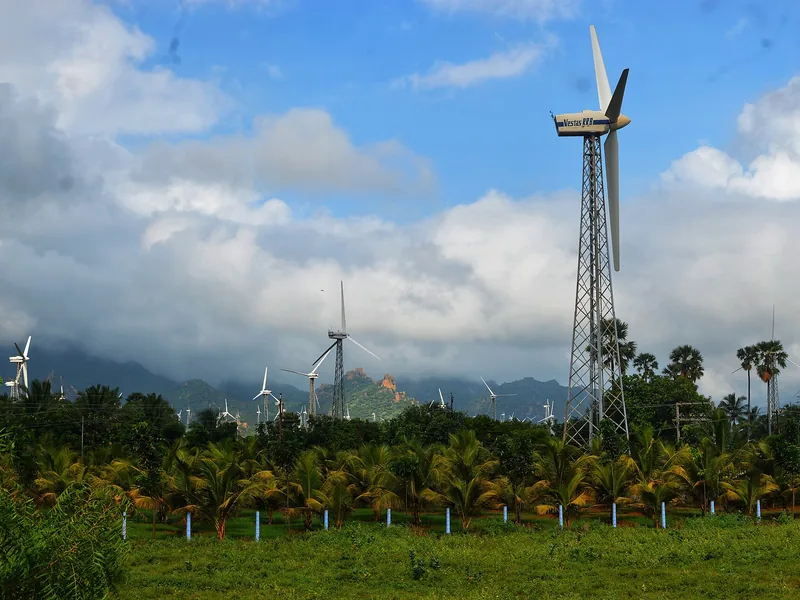
The Western Australian wind sector
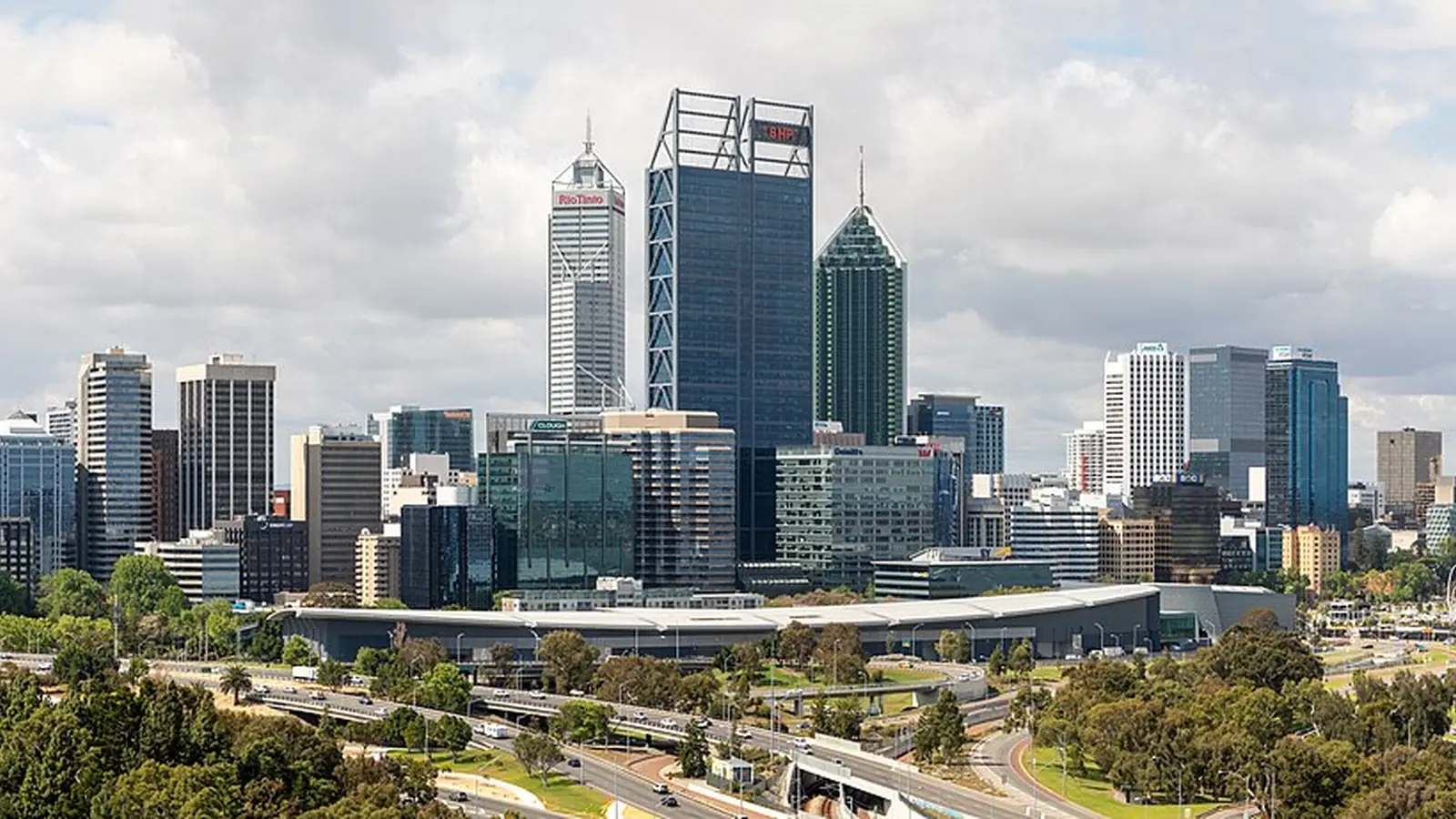
Western Australia runs its own electricity systems, and distance shapes almost every aspect of wind turbine service here.
Grid-connected wind in WA does not sit on the National Electricity Market. Instead it connects to the South West Interconnected System, which stretches from the Mid West through the Wheatbelt and down into the Great Southern. Beyond the SWIS, the North West Interconnected System and a wide network of remote microgrids support off-grid and mine-site distributed wind, often hundreds of kilometres from the nearest hub. That geography drives steady demand for scheduled maintenance, out-of-warranty repair and end-of-warranty inspection, and it makes planning non-negotiable.
Turbine platforms and age
Vestas and GE platforms are the most common machines across Western Australia, alongside legacy Senvion and Suzlon turbines at a number of older sites. Coastal farms such as Albany, Grasmere and Denmark face constant salt and corrosion exposure, so protective coatings and surface integrity work through tower, foundation and nacelle services carry extra weight. Ageing fleets also lift demand for legacy spares, and parts and spares sourcing for discontinued platforms is a recurring constraint on repair timelines.
Service hubs and logistics
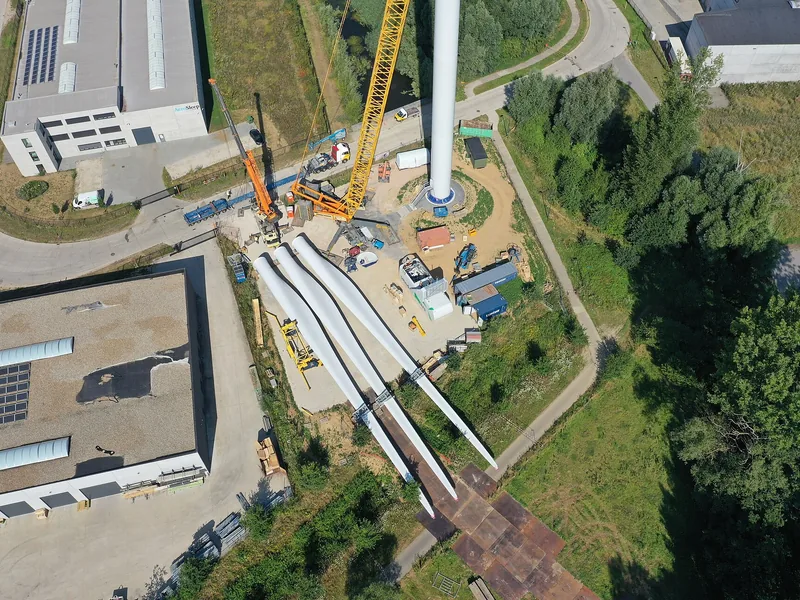
Crews commonly mobilise from Perth, Geraldton, Albany and Bunbury. Because so many WA sites are remote, FIFO mobilisation, staged consumables and pre-positioned spares are standard practice, and lead times for major interventions are measured in weeks. Heavy lift is a particular challenge: crane and heavy-lift assets travel long distances under oversize permits, and blade transport and heavy haul move on regional and remote roads with pilot vehicles. Planning a campaign around crane windows, weather and access roads is often the decisive factor in cost and downtime. Experienced technicians and labour who are comfortable with remote rosters are in demand across the state.
Licensing and compliance
Electrical work is regulated by Building and Energy, part of the Department of Energy, Mines, Industry Regulation and Safety, with high-voltage switching and access governed by the relevant authorisations and network operator rules. Height safety, lifting equipment and work-health-and-safety obligations sit under WorkSafe WA. Every provider we match holds the Western Australian tickets their scope requires, including HV switching authorisations where the work demands them.
Wind Turbine Services is a sourcing and comparison service and does not perform work itself. Enquiries are passed to independent service partners who contact you directly. There is no cost or obligation to owners and asset managers. Wind farm details are indicative and based on public information.
Frequently asked questions
Which wind turbine services do you cover in Western Australia?
Which wind farms operate in Western Australia?
Western Australia hosts a spread of grid-connected and remote wind farms, indicatively including Collgar, Walkaway (Alinta), Emu Downs, Albany, Badgingarra, Yandin, Warradarge, Greenough River, Mumbida, Grasmere, Flat Rocks and the Denmark Community Wind project. Most grid-connected sites sit on the South West Interconnected System across the Mid West, Wheatbelt and Great Southern.
What turbine models are common in Western Australia?
Vestas and GE platforms are the most common across WA, alongside legacy Senvion and Suzlon machines at older coastal sites. We match providers with hands-on experience on the specific platform at your site.
Where are the nearest service hubs?
Crews typically mobilise from Perth, Geraldton, Albany and Bunbury. Given the distances, remote and off-grid sites often require FIFO mobilisation, staged spares and planned lead times measured in weeks rather than days.
What licensing applies to wind work in Western Australia?
Electrical work is regulated by Building and Energy within the Department of Energy, Mines, Industry Regulation and Safety, and high-voltage switching requires the relevant authorisations. Height safety, lifting and work-health-and-safety obligations fall under WorkSafe WA. Providers in our network hold the relevant WA tickets.
Is sourcing providers in Western Australia free for owners?
Yes. Submitting an enquiry is free with no obligation. Matched independent providers contact you directly; service partners pay to receive leads, owners never do.