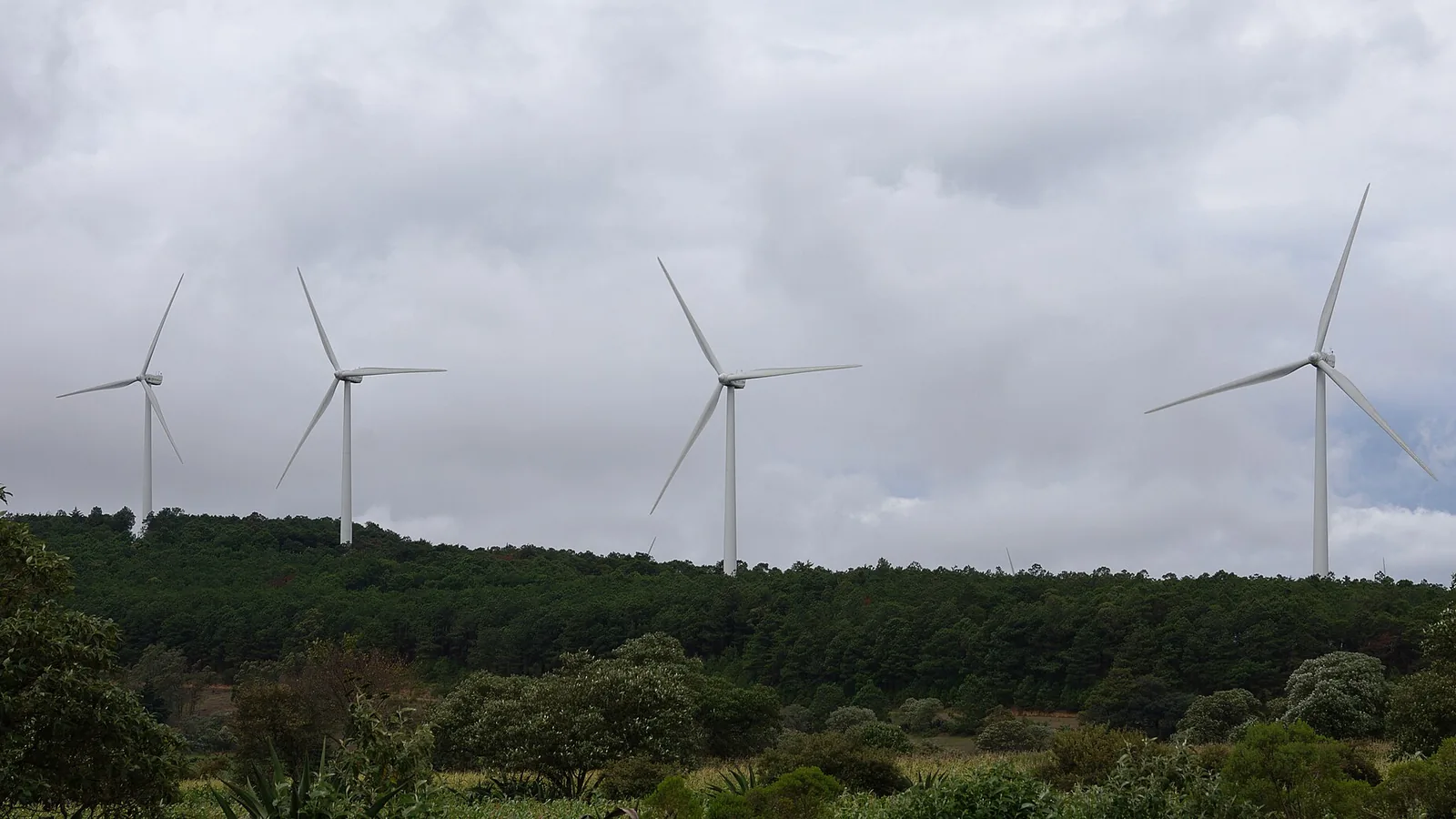
If you are weighing up a trade in renewables, the wind turbine technician salary is one of the first things worth understanding, alongside the training, the roster and the lifestyle. This guide covers what a wind turbine technician does, how to become one in Australia, indicative pay, and the career path and demand behind the role. Operators sourcing crews can skip to our technicians and labour-hire service.
- AUD 75k to 120kIndicative salary range; varies widely by roster, state and tickets
- GWO basic safetyWorking at Heights, First Aid, Fire Awareness, Manual Handling
- Growing demandAustralia's expanding fleet needs more technicians each year
- Trade or wind courseEntry via an electrical or mechanical trade, or a wind technology course
What a wind turbine technician does
A wind turbine technician keeps turbines running safely and generating energy. The work spans scheduled maintenance, fault diagnosis and repair across the whole machine: the blades, the gearbox and generator in the nacelle, the pitch and yaw systems, hydraulics, bolts and the electrical and control systems. A typical day involves climbing the tower, working at height, running diagnostics, replacing worn components and logging everything to a maintenance schedule. It is hands-on, safety-critical work that rewards methodical people who are comfortable with heights, confined spaces and problem solving in remote locations.
Specialist streams sit on top of the general role. Rope-access technicians carry out inspection and external repairs while suspended from the hub; blade technicians handle laminate repairs and coatings under blade repair. These tickets take extra training but open higher-paid, in-demand work.
How to become a wind turbine technician in Australia
There is no single fixed pathway, but the common routes are clear. Many technicians come through an electrical or mechanical trade, bringing a licence or qualification that is immediately useful on a turbine. Others start with a dedicated wind course, such as a Certificate III in Wind Turbine Technology offered by some TAFEs and registered training organisations, which blends electrical, mechanical and safety content.
Whichever route you take, you will need GWO Basic Safety Training before you set foot on a turbine. The four onshore modules are Working at Heights, First Aid, Fire Awareness and Manual Handling. Sea Survival is a fifth GWO module, but it is only required for offshore work, so it is not needed on Australia's current onshore fleet. From there, additional credentials lift your prospects considerably: an electrical licence and high-voltage tickets are highly valued, and rope-access (IRATA) certification is the gateway to blade and external repair work. Employers also expect a current driver licence, a reasonable level of fitness and a willingness to travel.
Wind turbine technician salary and pay in Australia
Pay is the question everyone asks, and the honest answer is that it varies a great deal. As an indicative guide, a wind turbine technician salary in Australia tends to sit broadly between AUD 75,000 and 120,000. Entry-level and trade-assistant roles start lower; experienced technicians, leading hands, rope-access specialists and travelling crews can earn above the top of that band once site allowances, living-away allowances and overtime are factored in.
Several things move the number: your trade and licences, whether you hold rope-access or high-voltage tickets, the roster you work, your state and the remoteness of the site, and whether you are a permanent employee or on a labour-hire day rate. Day rates for short-term and specialist contract work can look very different again. Because published figures come from mixed sources and change year to year, please treat every number here as a ballpark for orientation rather than a quoted wage. Always confirm current pay with the specific employer or agency.
Career path and demand
Demand for wind turbine technicians in Australia has been growing as the installed fleet expands and as older turbines pass out of OEM warranty into independent and owner-led service, a shift we cover in our blog on the Australian fleet leaving warranty. More turbines, ageing components and a national push toward renewables all point to sustained need for skilled crews.
The career path typically runs from trade assistant or junior technician through to qualified technician, then leading hand or site supervisor, and on into roles such as commissioning technician, quality or safety adviser, trainer, or technical specialist with an OEM or independent service provider. Picking up rope-access, high-voltage and major-component experience along the way keeps you in the highest-demand part of the market. For some, the destination is self-employment or moving into asset management and planning rather than hands-on work.
FIFO and site life
Most Australian wind farms are in regional and remote areas, so a lot of technician work is fly-in fly-out (FIFO) or drive-in drive-out on a roster such as weeks on, days off. Site life usually means early starts, camp or shared accommodation, long days when the weather allows climbing, and days lost to high wind or storms. The upside is concentrated time off, allowances that boost take-home pay, and the camaraderie of a small crew. The trade-off is time away from home and the physical reality of climbing and working at height in all conditions. It suits people who value a clear roster and do not mind travel; it is worth thinking about honestly before you commit.
Wind Turbine Services is an independent sourcing and comparison service. This guide is general career information, not financial, legal or careers advice. Salary figures are indicative ranges only and vary by employer, state, roster and certifications; confirm current pay and training requirements directly with employers and training providers.
Frequently asked questions
What is a wind turbine technician?
A wind turbine technician is a skilled tradesperson who installs, inspects, maintains and repairs wind turbines. The role blends electrical and mechanical work, climbing and working at heights, hydraulics, fault diagnosis and planned servicing of the drivetrain, blades, pitch and yaw systems. Most work onshore in Australia is at remote wind farms, so the job also involves travel and often rostered site work.
How do I get into wind turbine technician work in Australia?
The most common entry routes are an electrical or mechanical trade qualification, or a dedicated wind course such as a Certificate III in Wind Turbine Technology, followed by GWO basic safety training (Working at Heights, First Aid, Fire Awareness and Manual Handling). An electrical licence and rope-access tickets open up more roles and pay. Many technicians start as trade assistants or in related industries and move across.
What is the salary for a wind turbine technician in Australia?
As an indicative guide, wind turbine technician salary in Australia sits broadly in the range of AUD 75,000 to 120,000, with experienced leading hands, rope-access technicians and travelling specialists able to earn more once site allowances and overtime are counted. Figures vary widely by employer, state, roster, certifications and whether the role is permanent or labour-hire, so treat these numbers as a ballpark only.
What training does a wind turbine technician need?
The baseline is GWO Basic Safety Training: Working at Heights, First Aid, Fire Awareness and Manual Handling. Sea Survival is only needed for offshore work, so it is not required for onshore Australian wind farms. Beyond that, electrical licences, high-voltage tickets and rope-access (IRATA) certification are highly valued and lift both employability and pay.